Roof Maintenance That Actually Prevents Expensive Emergencies
A lot of roof emergencies don’t start with a dramatic storm. They start with something small that sat there for months: a few missing granules, a slightly lifted shingle, clogged gutters, or flashing that slowly worked itself loose. By the time water shows up on the ceiling, the problem has usually been developing for a while.
Regular maintenance won’t make a roof last forever, but it does catch a lot of issues while they’re still cheap to fix.
How often should you actually look at your roof?
Once a year is a solid baseline for most houses. Twice a year is better if you live in an area with harsh summers, heavy storms, or a lot of trees.
The best times are usually:
- After winter (or the rainy season)
- After any major storm
You don’t need to climb up every time. A good look from the ground with binoculars, plus a check of the attic and gutters, already tells you a lot.
What to check from the ground
Walk around the house and look at the roof surfaces you can see:
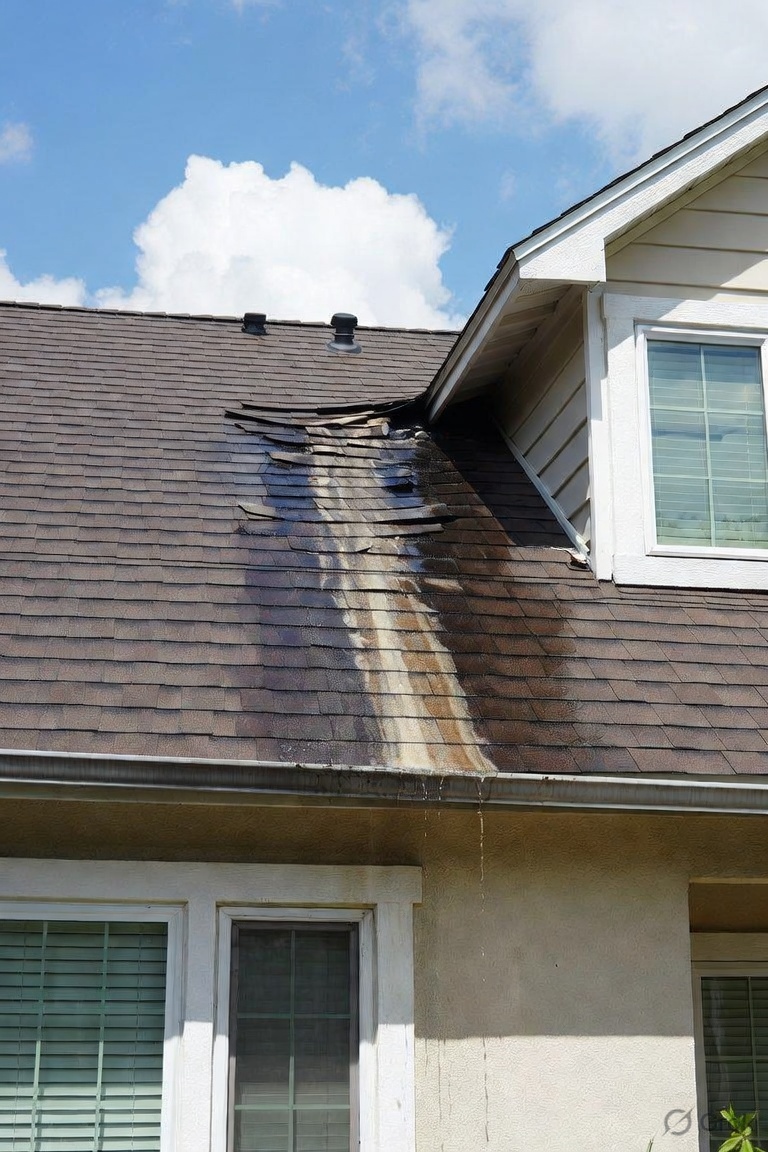
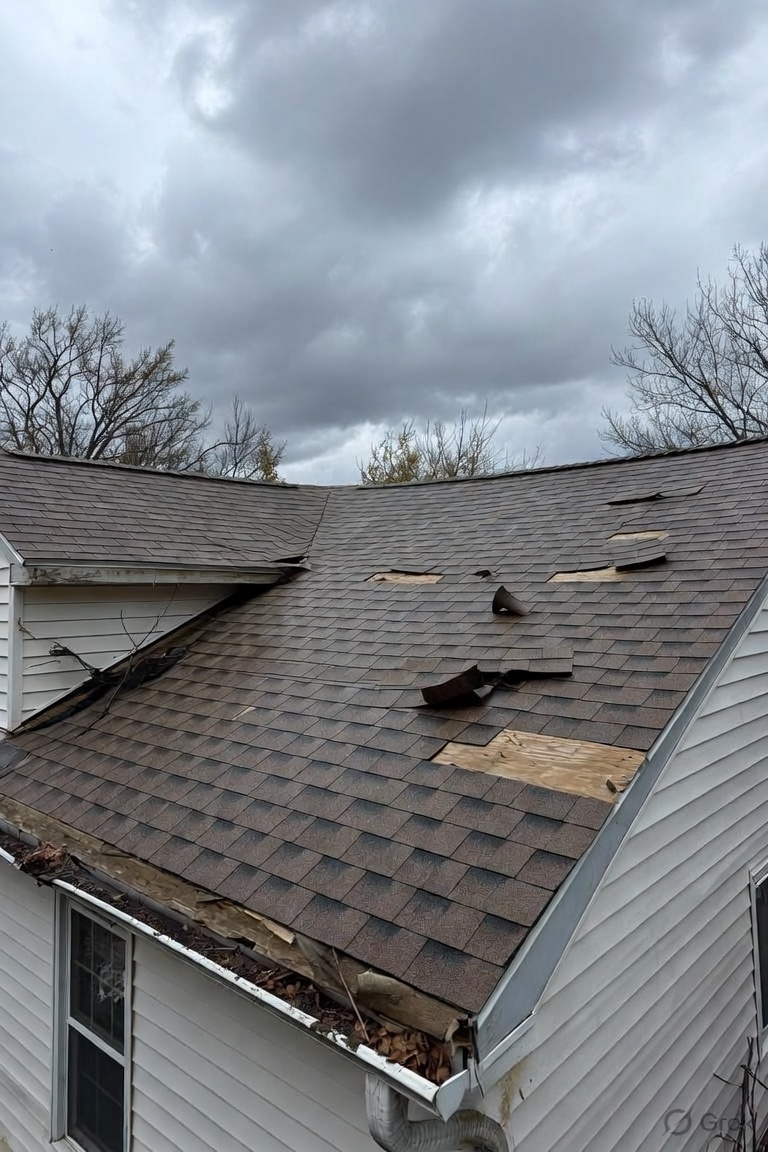
- Missing, cracked, or curling shingles
- Areas that look different in color or texture
- Granules collecting in the gutters or at the bottom of downspouts
- Sagging or uneven roof lines
- Damaged or rusted flashing around chimneys, vents, and skylights
- Debris buildup in valleys or against walls
If you have trees overhanging the roof, check whether branches are rubbing or dropping a lot of debris.
Gutters and the edge of the roof
Clogged gutters cause more problems than most people realize. When water can’t drain properly, it backs up under the shingles and against the fascia. Over time that leads to wood rot and leaks at the edges.
Clean gutters at least twice a year, or more if you have a lot of trees. Make sure downspouts are directing water away from the foundation.
The attic check
If you can safely get into the attic, look for:
- Daylight coming through the roof boards
- Dark stains or wet spots on the wood
- Damp or compressed insulation
- Signs of past water (even if it’s dry now)
A musty smell or higher humidity than usual can also be a clue that moisture is getting in somewhere.
Repair vs. replace
Not every problem means you need a new roof. A few missing shingles, a failed piece of flashing, or a small leak can often be repaired.
Replacement starts making more sense when:
- The roof is near or past the end of its expected lifespan
- There are multiple active leaks in different areas
- Large sections of shingles are failing
- The decking underneath is damaged
A good contractor should be able to explain the difference clearly instead of pushing a full replacement by default.
A simple maintenance rhythm
Here’s a practical schedule most homeowners can follow:
- Spring and fall: visual check from the ground + clean gutters
- After any significant storm: quick look for missing material or new debris
- Once a year: attic check if accessible
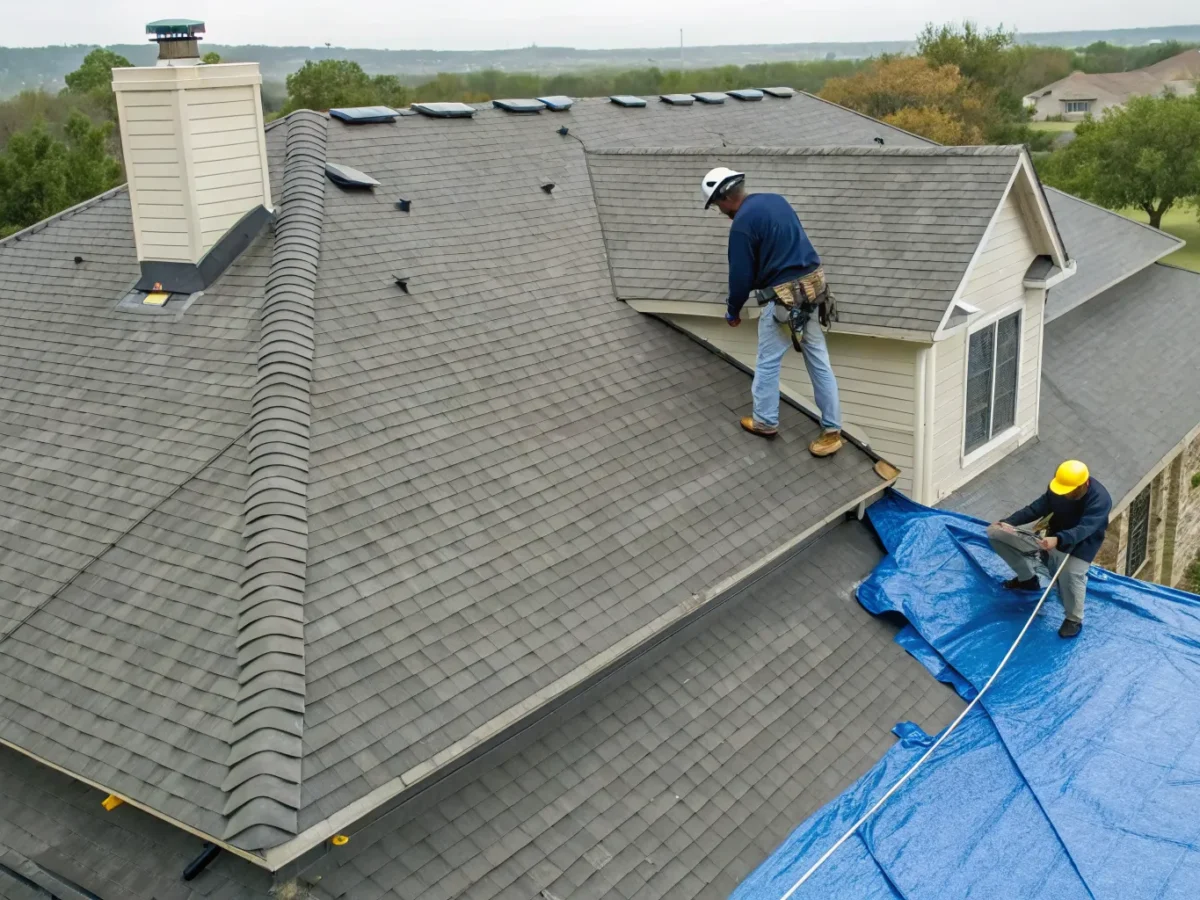
- Every few years: consider a professional inspection, especially if the roof is older
None of this takes a huge amount of time. The goal is just to notice problems while they’re still small.
Why this matters for emergency situations
Most of the emergency calls that cost the most money involve water that has been getting in for a while, or damage that could have been spotted earlier. A missing shingle that sits through three storms is very different from one that gets fixed after the first wind event.
You can’t prevent every storm or every random failure. But consistent basic maintenance removes a lot of the preventable ones.
If your roof is older or you’ve never had it looked at properly, a professional inspection is often worth the cost. It’s a lot cheaper than dealing with interior water damage later.